Packaging Design Trends 2026 From Chaos Packaging To Sustainable Materials
Posted on
Packaging design
Posted at

A product wrapper used to be an afterthought. Not anymore. Packaging is now the first thing a shopper touches and the first photo a customer posts online. It decides whether a product looks fresh or feels forgettable. Packaging Design Trends 2026 pull in two very different directions at the same time. On one side bold chaos packaging fights for attention with clashing colors and loud fonts. On the other side sustainable materials quietly take over as brands drop plastic for plant based options. Both directions are winning space on real shelves right now. Here is what is actually changing and how a brand can pick the right move for its own products.
What Are Packaging Design Trends And Why They Matter
A design trend is simply the direction most brands move toward at the same time.
It shows up in color choices, shapes, fonts and materials. A trend spreads because it works. Shoppers respond faster to it on a shelf and faster to it in a phone feed. A pack that follows a trend gets picked up first and photographed first. It gets remembered longer than one that looks the same as it did five years ago. For a brand this means packaging is no longer just a printing choice. It is a marketing choice.
Chaos Packaging Is Taking Over The Shelf
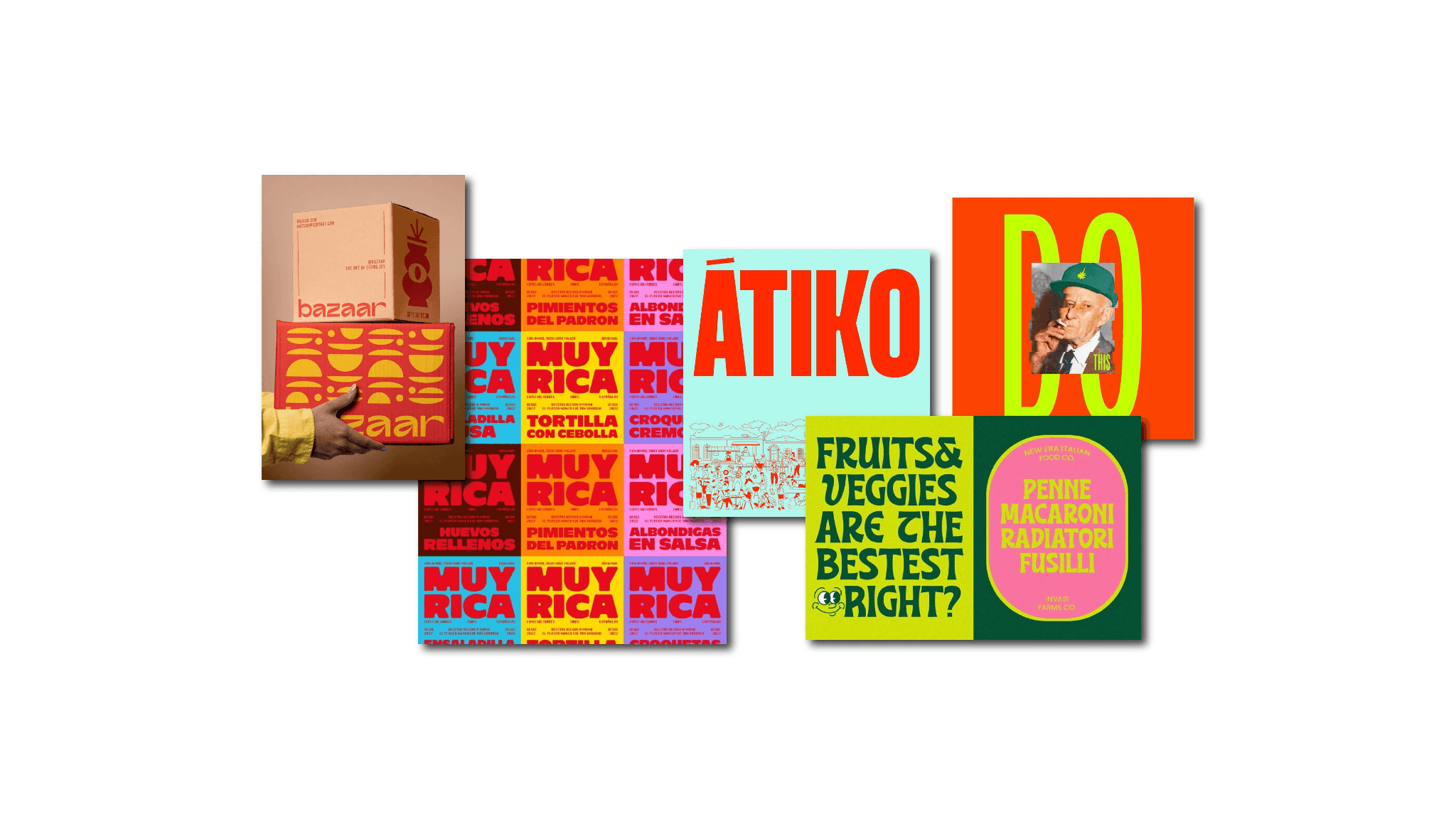
Chaos packaging is the loud arty look breaking out in stores and feeds everywhere.
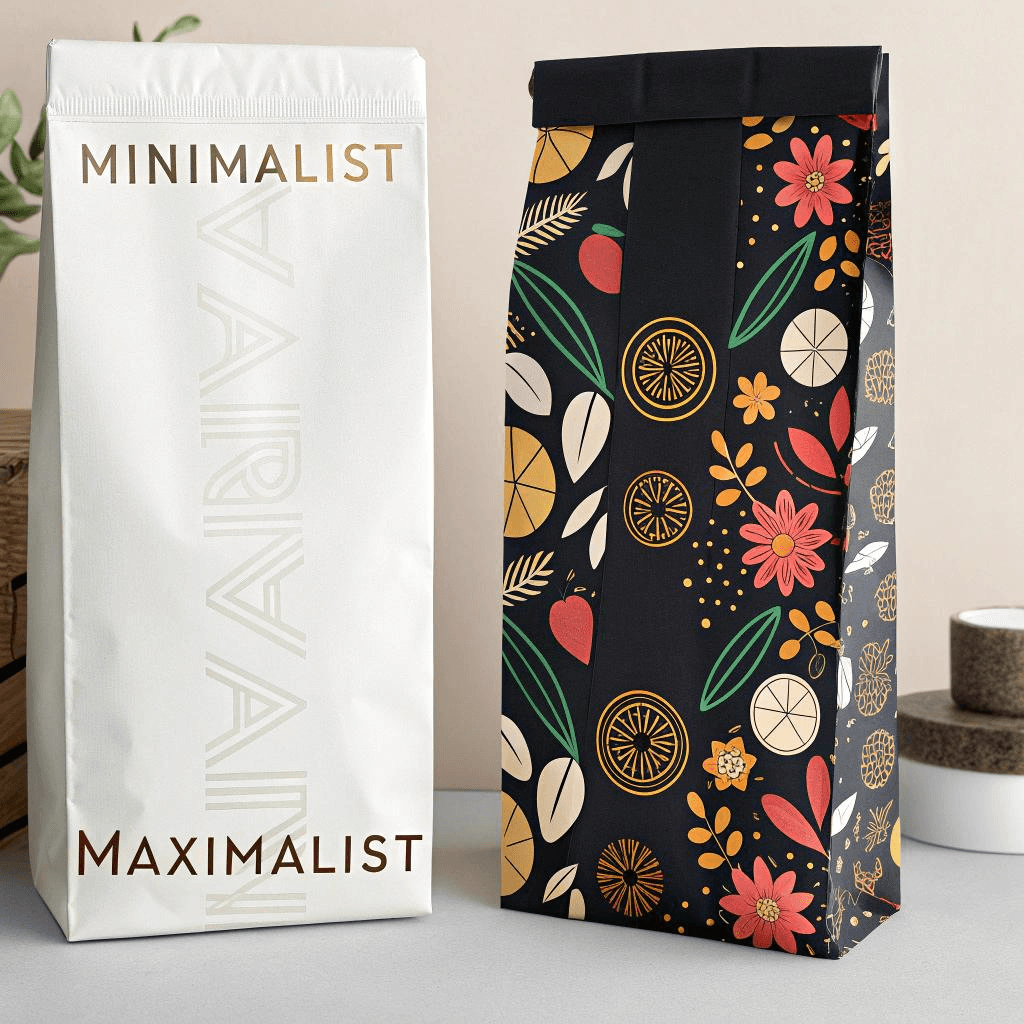
For years brands chased plain minimal design. Clean lines. Soft colors. Small logos. Shelves started to look the same. Chaos packaging is the pushback against that sameness. It uses bold clashing colors and collage style graphics. Fonts shout instead of whisper. Search interest in bold fonts and collage art has jumped sharply this year on major design platforms. That is a real signal that shoppers want personality back on the pack.
Why Shoppers Are Drawn To Loud And Playful Packs
People scroll past hundreds of products a day. A quiet pack blends in. A loud pack stops the scroll. Chaos packaging works because it feels human and a little imperfect instead of corporate and safe.
Small Brands Already Winning With This Look
New and independent brands use this look most since it costs little and grabs attention fast. It gives a small brand a personality that a big brand cannot copy overnight.
Handmade Touches Beat Machine Perfect Looks
Grainy textures and hand stamped marks are replacing flawless machine prints.
Shoppers see AI generated content everywhere now. A pack that looks too perfect can start to feel fake. Hand stamped textures and visible brush strokes signal that a real person made a choice. A slightly uneven print mark builds trust faster than a flawless design ever could. This trend works well for food, wellness and craft brands that want to feel rooted and real.
Packs That Talk Back Through Your Phone
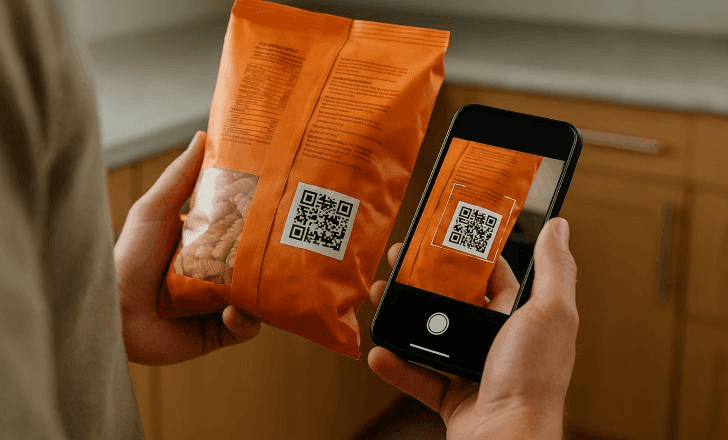
A scan on the pack can now show recycling steps or the full brand story.
QR codes, NFC tags and AR layers are moving from gimmick to genuine feature. One well known example lets a shopper scan a bottle and enter a zip code. The scan then shows exactly how to recycle that pack in their own area. Label free returns work the same way for online orders. A shopper scans a code instead of printing a label. This turns packaging into a two way tool instead of a one way message.
Sustainable Materials Move From Extra To Essential
Sustainable materials are no longer a nice extra. They now sit at the center of Packaging Design Trends 2026.
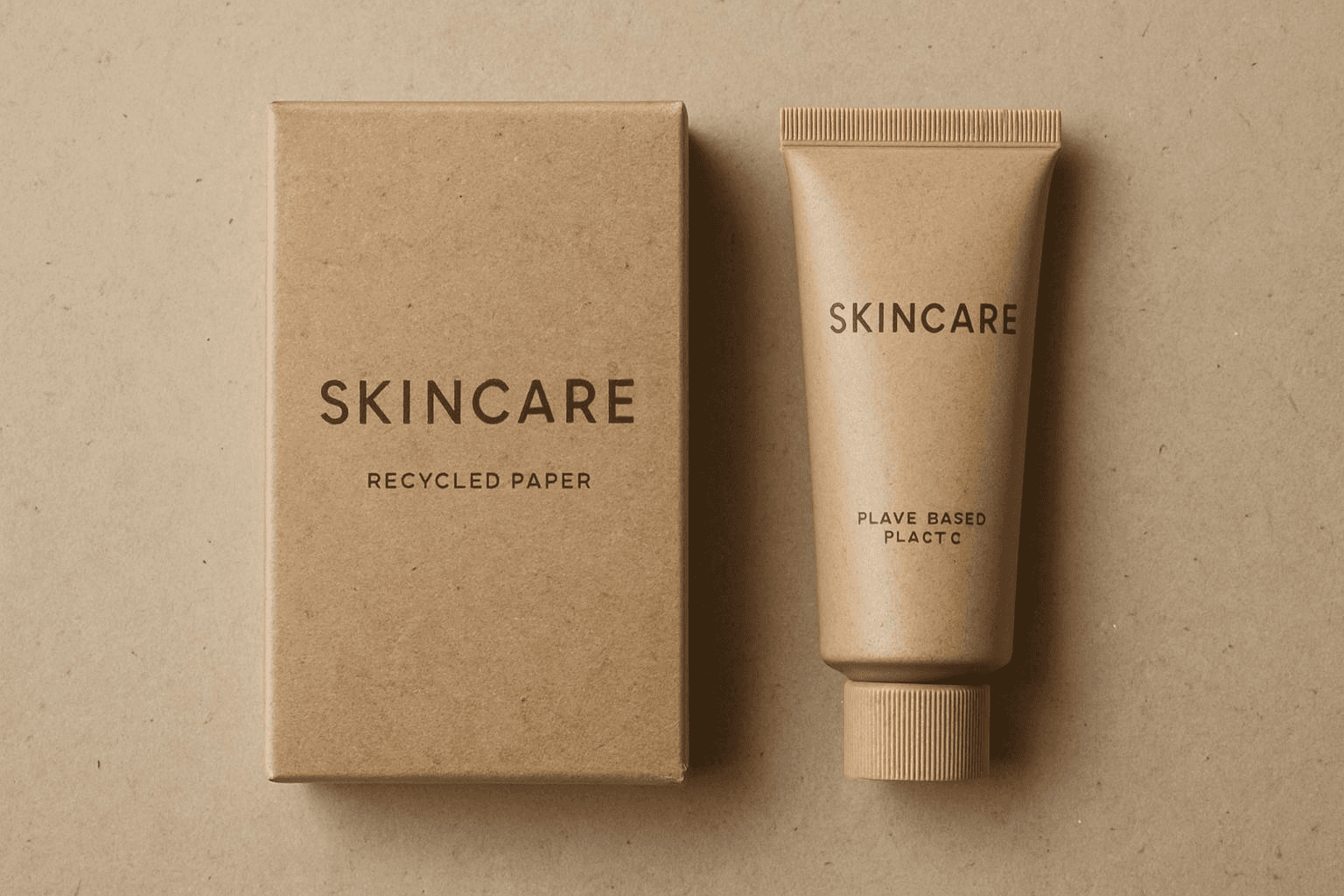
Plant based plastic, mushroom based packaging and molded pulp are moving from lab experiments into everyday shelves. Market data shows steady double digit growth for these materials through 2026. Brands are switching for more than looks alone. Tighter rules and rising costs on regular plastic are pushing the change too.
Mushroom And Plant Based Packaging Explained Simply
Mushroom based packaging grows from mycelium. Mycelium is the root network of a fungus. This material breaks down naturally within months after use. Plant based plastic often comes from corn starch. It works much like regular plastic but disappears far faster once thrown away.
Why A Compostable Label Needs A Second Look
Not every compostable label breaks down in a home bin. Many only break down inside special industrial facilities. A brand should check for real certification before printing that word on a pack. This keeps customer trust intact and avoids a greenwashing backlash later.
Packaging That Welcomes Every Customer
Easy grip shapes and bigger readable text help every customer use a pack with ease.
Accessible design includes large fonts, textured grips and braille marks on more premium packs. This once felt like a niche feature. It now counts as a baseline expectation and even wins design awards. A brand that ignores this loses real customers without ever realizing why.
What We Learned From Real Packaging Projects
Jumping on a trend too fast without testing it on real shelves often backfires.
The biggest mistake in past redesign work was chasing a bold new look purely because a competitor did it first. A small tactile upgrade often lifted shelf appeal more than a full redesign. A textured label or a matte finish is a good example of this. Real testing with real customers beats guessing every single time.
How To Pick The Right Trend For Your Brand
The right trend depends on the product, the customer and where the pack gets seen.
Before picking a direction a brand should ask a few honest questions.
What budget can the brand commit to right now
Who is the target customer and what age group are they in
What category does the product belong to
Will the pack mostly get seen on a physical shelf or on a screen
Quick Answers To Common Packaging Design Trends Questions
Short direct answers to the questions brands ask most right now.
Is chaos packaging only for young or small brands? No. Larger brands are testing limited edition chaos packaging drops while keeping their main line clean. It works well as a seasonal boost rather than a full brand switch.
Which sustainable material is the cheapest to start with? Molded pulp and recycled paper cost the least to test since factories already run this equipment at scale. Mushroom based packaging costs more right now but prices are dropping fast.
Does a pack really need a QR code in 2026? Not every product needs one. It helps most for food, beauty and drink brands that want to share recycling steps or an extra brand story.
Conclusion
Trends move fast but the real goal never changes. Get noticed. Get trusted. Get bought. A brand can lean into chaos packaging or shift toward sustainable materials. Either way the choice should always match the product and the customer. The calendar year should never decide it alone. A packaging refresh done right pays back in shelf pull and repeat buyers for years. If your current pack still looks like 2021, this is the year to fix that.
That is exactly where U and I Resources Private Limited comes in. As a branding and marketing agency in Surat we turn a packaging idea into a design that actually sells. Every choice stays backed by research instead of guesswork. Talk to our team at U and I Resources Private Limited and build a packaging strategy made for your product and your customer.